I Am a Sissy: Understanding, Accepting, and Embracing the Feminine Man Within
The Complete Guide to Men Who Embrace Being Sissies and the Wives, Girlfriends, and Boyfriends Who Love Them
For some men, saying the words “I am a sissy” represents one of the most liberating moments of their lives. It is an acknowledgment of feelings, fantasies, desires, and personality traits they may have kept hidden for years or even decades. For others, discovering their sissy identity happens gradually, beginning with an attraction to feminine clothing, lingerie, panties, or swimwear and eventually developing into a much broader exploration of femininity.
What makes the sissy lifestyle particularly interesting is that it is not limited to single men experimenting privately. Many married men, husbands, boyfriends, and long-term partners are discovering that embracing their feminine side can become an enjoyable and meaningful part of their relationships.
Some wives and girlfriends are surprised when their husbands reveal an interest in being feminized. Others find the idea intriguing, exciting, or even romantic. Some discover that they genuinely enjoy helping their husbands become more feminine, selecting clothing, introducing feminine grooming routines, and encouraging them to explore a different side of themselves.
Male partners can be equally enthusiastic. Gay and bisexual men sometimes find themselves attracted to feminine men, femboys, and sissies precisely because they combine traditionally masculine and feminine characteristics.
The important thing to understand is that being a sissy does not have one universal meaning. It can be an identity, a form of gender expression, a consensual relationship dynamic, a sexual interest, or a combination of these experiences.
For the man who finally feels comfortable saying, “I am a sissy,” the experience can be much more than changing clothing. It can mean discovering an entirely new way of expressing himself.
What Does It Mean When a Man Says, “I Am a Sissy”?
Historically, the word sissy was frequently used as an insult directed at boys and men who were considered insufficiently masculine. Men who were gentle, sensitive, feminine, or uninterested in traditionally masculine activities could be labeled sissies.
Today, some adults have reclaimed the word and transformed it into a positive personal identity.
For these men, being a sissy may involve embracing femininity rather than feeling ashamed of it.
A self-identified sissy might enjoy:
- Wearing feminine panties, lingerie, dresses, skirts, and swimwear.
- Having smooth legs, carefully groomed skin, and a feminine appearance.
- Experimenting with makeup, hairstyles, and traditionally feminine accessories.
- Wearing MTF transformation swimwear or underwear that creates a feminine silhouette.
- Being treated affectionately as feminine by a wife, girlfriend, husband, or boyfriend.
- Exploring consensual feminization or female-led relationship dynamics.
- Living part-time or full-time with a feminine presentation.
- Expressing a softer, more submissive, or traditionally feminine personality.
Not every sissy enjoys all these things. Some simply love dressing femininely. Others enjoy the psychological experience of surrendering traditional masculine expectations. Still others enjoy a playful, erotic, or submissive interpretation of the identity.
A man can identify as a sissy while remaining comfortable identifying as male. Another may discover that the experience is connected to a broader nonbinary or transgender identity.
Neither experience is inherently more authentic than the other.
How Men Discover They Enjoy Being Sissies
For many men, the realization does not happen overnight.
Early fascination with feminine clothing
Some men remember being fascinated by women’s clothing long before they understood why. The softness of panties, the fit of feminine swimwear, the appearance of lingerie, or the elegance of dresses might have captured their attention.
During adolescence or adulthood, they may begin experimenting privately.
For some, the attraction is primarily aesthetic. For others, it becomes connected with sexuality, gender expression, or emotional comfort.
Over time, what began as occasional crossdressing can develop into a more established feminine identity.
Discovering that femininity feels natural
Another common experience is discovering that traditionally feminine presentation simply feels comfortable.
A man may spend years attempting to conform to masculine expectations. He may dress conservatively, avoid feminine mannerisms, and hide interests that he fears others will judge.
Then, perhaps for the first time, he allows himself to wear a feminine outfit without embarrassment.
He may discover that he enjoys what he sees in the mirror.
That moment can be important because it changes the experience from something secretive into something he wants to understand and embrace.
Discovering femininity through a relationship
Sometimes a wife, girlfriend, husband, or boyfriend introduces the idea.
A partner might jokingly suggest trying on panties, wearing a feminine swimsuit, or experimenting with makeup.
What begins as playful experimentation can reveal an interest the man never previously recognized.
In other relationships, the man has been interested in feminization for years but has never felt comfortable discussing it.
A supportive partner may provide the acceptance that allows him to explore openly.
Discovering a preference for a submissive role
Some men associate their sissy identity with consensual submission.
They enjoy allowing a trusted partner to take the lead in choosing clothing, establishing feminine routines, or directing aspects of their relationship.
For these individuals, femininity and submission can be closely connected.
However, being feminine does not automatically make someone submissive, and not every sissy wants a dominant partner.
The defining factor is personal preference rather than any rule about how a feminine man should behave.
I Told My Wife I Am a Sissy: What Happens Next?
One of the biggest decisions for a married man interested in feminization is whether to share his feelings with his wife.
For someone who has concealed this interest for years, the conversation can feel intimidating.
He may worry that his wife will see him differently, question his masculinity, or misunderstand his sexual orientation.
Yet some couples discover that discussing these feelings creates a new level of honesty and intimacy.
Why some wives embrace their sissy husbands
There are several reasons a wife might enjoy her husband’s feminine side.
She enjoys seeing him happy. A wife who loves her husband may appreciate seeing him become more comfortable expressing himself.
She enjoys feminine fashion. Some women love selecting clothing, experimenting with makeup, and helping their husbands develop a feminine appearance.
She appreciates his softer personality. A husband who feels free to express tenderness, vulnerability, and affection may bring a different emotional dynamic into the relationship.
She enjoys taking the lead. Some wives discover that consensual feminization fits naturally into a female-led relationship.
She finds the transformation exciting. For some couples, the visual and psychological experience of feminization adds novelty and intimacy to their relationship.
A wife does not need to be sexually attracted to femininity to support her husband. Some participate enthusiastically, while others prefer simply to accept his interests without becoming personally involved.
Both responses can be valid.
When a Wife Becomes an Active Participant in Feminization
In some relationships, a wife moves beyond acceptance and becomes an enthusiastic participant.
She may help her husband choose feminine outfits, introduce him to makeup, or encourage him to develop a complete feminine wardrobe.
Some couples enjoy shopping together for lingerie, dresses, panties, and swimwear.
Others establish special occasions when the husband dresses femininely at home.
For couples who enjoy a more structured dynamic, feminization may become a regular part of their lifestyle.
The wife might help select:
- Feminine underwear for everyday wear.
- Dresses and skirts suitable for different occasions.
- Makeup, nail polish, and beauty accessories.
- Feminine hairstyles or wigs.
- MTF swimwear for vacations and beach outings.
- Nightwear and lingerie.
- Feminine names or affectionate nicknames.
Some wives enjoy helping their husbands develop a feminine appearance that can be worn outside the home.
Others prefer keeping the experience private.
The healthiest arrangements are based on mutual enthusiasm, respect, and clearly understood boundaries. A partner’s encouragement should never eliminate the man’s ability to choose how far he wants to go.
My Boyfriend Is a Sissy: Why Some Men Love Feminine Partners
Sissy identities are not exclusive to heterosexual relationships.
Gay, bisexual, and other men may be particularly attracted to feminine male partners.
Some men enjoy the contrast between masculine and feminine presentation within a relationship. Others are attracted to femininity regardless of the gender identity or anatomy of the person expressing it.
A boyfriend may enjoy helping his partner develop a feminine wardrobe, accompanying him shopping, or encouraging him to wear feminine clothing in public.
In some relationships, the feminine partner enjoys being called a girlfriend or being addressed with feminine pronouns. In others, both partners continue identifying as men.
These preferences should be discussed rather than assumed.
Does being a sissy mean a man is gay?
No.
A man’s gender expression and sexual orientation are separate characteristics.
A sissy may be heterosexual, gay, bisexual, pansexual, or have another orientation.
A heterosexual husband can enjoy feminine clothing while remaining attracted exclusively to women. A gay man may enjoy being feminine while being attracted to men.
Likewise, a man who enjoys being feminized does not necessarily want to transition medically or live permanently as a woman.
There is no single sexual orientation or gender identity associated with being a sissy.
The Different Types of Sissy Lifestyles
One of the reasons the term has become meaningful to different people is its flexibility.
1. The private sissy
Some men enjoy femininity exclusively in private.
They may wear panties beneath their everyday clothing or dress completely femininely when alone.
Their feminine expression may remain separate from their professional and social lives.
For these men, privacy is a preference rather than necessarily a sign of embarrassment.
2. The married sissy husband
A married sissy may share his feminine identity with his wife and incorporate it into their relationship.
Some couples enjoy occasional dressing sessions. Others make feminine clothing and grooming a regular part of daily life.
A supportive marriage can provide a comfortable environment for exploration.
3. The femboy sissy
Some men combine sissy identity with the broader femboy aesthetic.
They may prefer youthful, playful, feminine styling, including fitted clothing, short shorts, crop tops, stockings, or feminine swimwear.
Not every femboy identifies as a sissy, however. The labels have overlapping but distinct meanings.
4. The submissive sissy
For some adults, being a sissy is closely associated with consensual power exchange.
They may enjoy a dominant partner selecting their clothing, setting agreed-upon expectations, or encouraging feminine behavior.
Such arrangements may include roleplay, playful teasing, or erotic humiliation, but these activities are not essential to sissy identity.
Any humiliation must be genuinely consensual, with agreed limits and the ability to stop immediately.
5. The full-time feminine man
Some men eventually decide that femininity should be part of their everyday lives.
They may wear feminine clothing regularly, maintain a feminine appearance, and present themselves in ways that blur conventional gender boundaries.
Some identify as men, while others explore nonbinary or transfeminine identities.
For these individuals, femininity is not limited to special occasions.
The Art of Feminizing a Sissy Husband or Boyfriend
For couples who enjoy feminization, the process can become a shared creative experience.
There is no need to make dramatic changes immediately.
Many begin with small experiments and gradually discover which styles feel most natural.
Feminine underwear: The first step
Panties are often among the first feminine garments a man experiments with.
They are easy to wear privately and available in many styles.
Some men prefer conventional women’s panties, while others choose panties designed specifically for male anatomy.
Feminine underwear can include bikinis, thongs, G-strings, lace panties, and MTF transformation designs.
For a man exploring femininity, finding underwear that feels comfortable and looks attractive can be an important early step.
Feminine grooming and appearance
Clothing is only one part of feminization.
Some sissies enjoy developing a complete feminine grooming routine.
This might include shaving or otherwise removing body hair, using skincare products, shaping eyebrows, growing hair longer, and experimenting with nail polish.
Makeup can be another enjoyable area of exploration.
A partner who is experienced with cosmetics may enjoy teaching foundation application, eye makeup, lip color, and contouring.
Not every feminine man wants an elaborate beauty routine. The goal is to discover what feels authentic.
Dresses, skirts, and everyday feminine clothing
After becoming comfortable with panties and lingerie, some men begin experimenting with complete outfits.
Dresses, skirts, leggings, fitted tops, and feminine shorts can help create a more traditionally feminine silhouette.
For couples exploring feminization together, choosing outfits can become an enjoyable shared activity.
The important distinction is that the man should feel comfortable and confident in the clothing rather than pressured into wearing something he dislikes.
MTF Swimwear: A Popular Choice for Feminine Men and Sissies
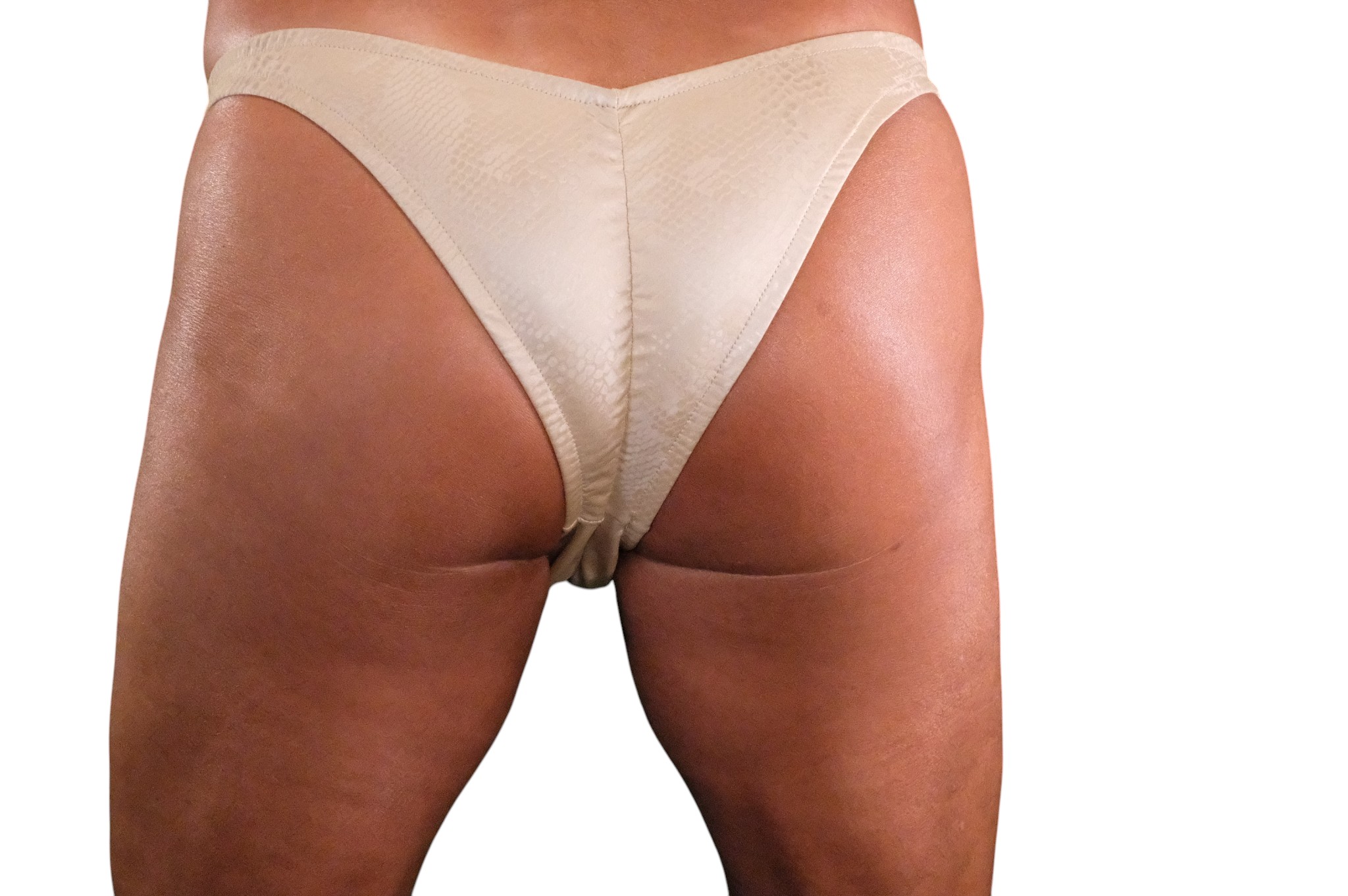
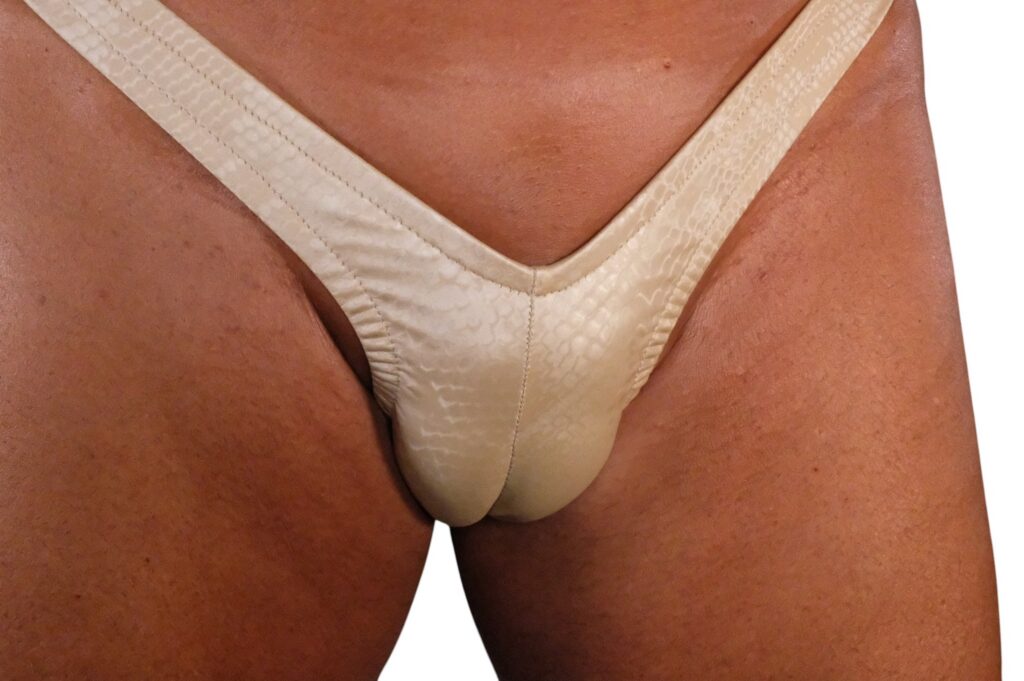
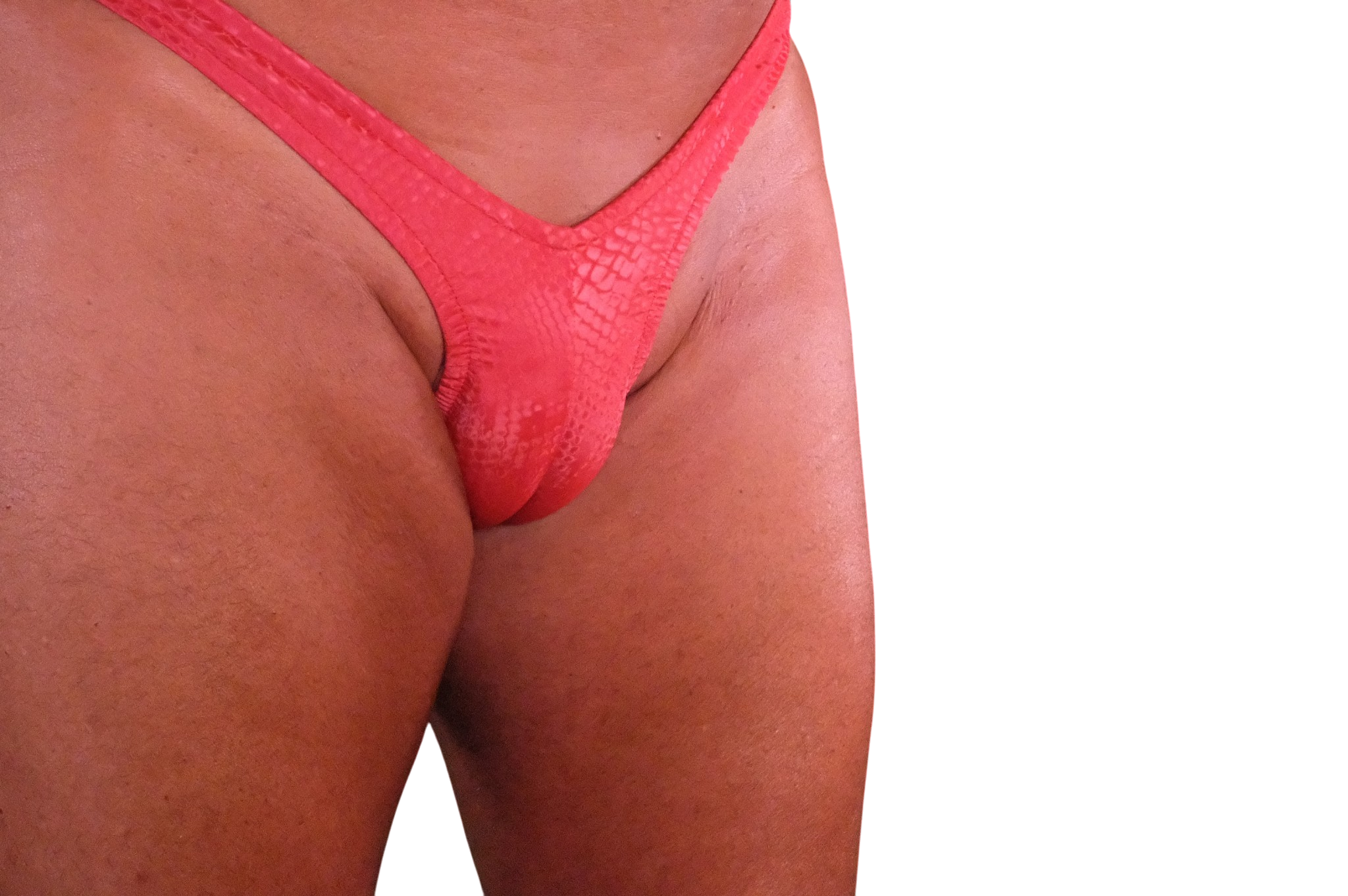
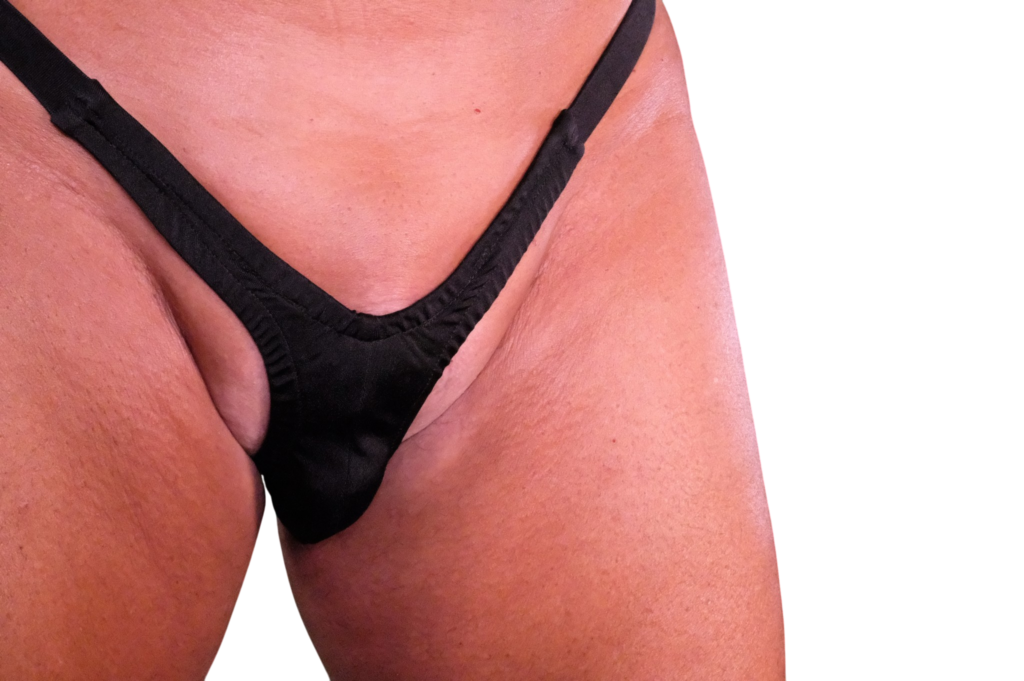
For men interested in a more complete feminine appearance, MTF transformation swimwear can be an appealing option.
Unlike conventional men’s swimsuits, which typically accommodate or emphasize the male genital outline, certain MTF designs are created to minimize or conceal that outline.
Some produce a smooth, flat front. Others are designed to create the visual impression of traditionally female anatomy.
This allows a wearer to experiment with a feminine swimsuit silhouette without surgery or permanent physical changes.
Different MTF swimwear styles
Flat-front designs: These use compression and garment construction to reduce the appearance of a bulge.
Tucking swimwear: These are designed to help maintain a tucked position and create a smoother silhouette.
Feminine-contour designs: Some garments use shaping and specialized construction to create the appearance of a feminine front.
Gender-neutral swimwear: These designs minimize emphasis on genital anatomy without necessarily attempting to imitate a female appearance.
Micro and ultra-micro styles: These feature very minimal coverage and may be available with flat-front, conventional pouch, or feminine-contour construction.
For sissies who enjoy expressing femininity at the beach or pool, the range of available styles provides many options.
Specialty retailers such as Koalaswim.com offer men’s micro swimwear, gender-fluid designs, and MTF-style garments intended for different body shapes and presentation preferences.
The excitement of wearing feminine swimwear in public
For some sissies, wearing a feminine swimsuit at a beach or hotel pool is an important personal milestone.
They may have spent years experimenting with clothing privately before feeling comfortable expressing themselves in public.
A supportive wife, girlfriend, or boyfriend can make that first experience more comfortable.
Some couples enjoy selecting matching or coordinating swimwear. Others simply appreciate spending time together without the man feeling compelled to hide his feminine style.
Public acceptance varies by location, and swimsuit coverage rules still apply. Selecting appropriate venues and garments can help make the experience enjoyable.
Tucking and Feminine Genital Presentation
Some sissies enjoy creating a smooth or feminine appearance beneath their clothing.
Tucking is one method of reducing the visible outline of male genital anatomy.
It is commonly associated with transgender women and other transfeminine people, but some crossdressers, femboys, and sissies also use it.
Specialized tucking underwear and swimwear can help maintain a smoother silhouette.
Some men prefer garments that minimize the bulge without requiring a full tuck.
Other options include padded or shaped garments designed to create a particular visual appearance.
Comfort and safety are essential. Tucking should never involve force, significant pain, numbness, or restricted circulation. Prolonged tight compression can cause irritation or other problems, so breaks and properly fitted garments are important.
For many sissies, the appeal is visual rather than medical: they enjoy the freedom to present a feminine appearance while retaining their existing anatomy.
Can a Sissy Husband Enjoy Being Feminized Without Wanting to Become a Woman?
Absolutely.
This is one of the most important distinctions in understanding sissy identity.
A man may love wearing panties, dresses, makeup, and feminine swimwear while still identifying completely as male.
He may enjoy being called feminine names or playing a feminine role within his relationship without wanting to change his legal gender or undergo medical transition.
For some men, femininity is an aesthetic preference.
For others, it is connected to sexuality, emotional expression, or relationship dynamics.
Still others eventually discover that their interest in feminization is part of a deeper gender identity.
There is no requirement that enjoying femininity must lead to hormone therapy, surgery, or any particular identity.
Being a sissy can be a complete and satisfying expression of femininity on its own.
Sissy Husbands and Female-Led Relationships
Some couples discover that feminization fits naturally into a female-led relationship, sometimes called an FLR.
In this arrangement, the wife takes a greater leadership role in agreed-upon aspects of the relationship.
For some couples, this means making more household decisions together while the wife takes the lead.
For others, it includes structured feminine routines, clothing choices, or consensual dominance and submission.
A husband may enjoy allowing his wife to choose his lingerie, suggest feminine outfits, or establish playful rules about his appearance.
Some couples incorporate chastity devices or other adult power-exchange practices into this dynamic.
These activities are optional and should never be treated as requirements of femininity.
Why some husbands enjoy surrendering traditional masculine expectations
Many men experience pressure to appear confident, dominant, competitive, and emotionally reserved.
For some, a consensual feminine or submissive role offers a welcome contrast.
They enjoy not always having to take charge.
They may appreciate a relationship in which their partner confidently leads while they express a softer or more receptive side.
This does not mean that feminine men are inherently weak or that women naturally want to dominate.
It simply means that certain couples find these relationship arrangements personally fulfilling.
When a Wife or Boyfriend Enjoys Showing Off Their Feminized Partner
Some couples enjoy taking their shared interest in femininity outside the home.
A wife might accompany her husband shopping while he wears a feminine outfit. A boyfriend might encourage his feminine partner to dress confidently for a night out.
Some couples attend LGBTQ-friendly events, costume parties, alternative fashion gatherings, or beaches where unconventional swimwear is welcome.
For the feminine partner, being seen and accepted can be an affirming experience.
For the other partner, it can be enjoyable to see someone they love expressing themselves confidently.
However, public presentation should always be the wearer’s choice.
A husband or boyfriend should never be pressured into public feminization, disclosure, or embarrassment simply because a partner enjoys the idea.
There is an important difference between consensual playful exhibitionism and unwanted exposure.
The Psychology of Enjoying a Sissy Identity
Why does embracing femininity feel so powerful for some men?
There is no single psychological explanation, but several experiences may contribute.
Freedom from masculine expectations
Some men feel constrained by rigid expectations about masculinity.
Feminine presentation gives them permission to explore traits or styles they previously suppressed.
The pleasure of transformation
Changing appearance can be exciting.
Makeup, clothing, hairstyling, and feminine garments can create a dramatically different look.
For some men, the transformation itself is the main attraction.
Emotional intimacy
Sharing a private interest with a trusted partner can deepen emotional closeness.
A husband who reveals his feminine side may feel vulnerable, and a supportive response can strengthen trust.
Consensual role reversal
Some couples enjoy reversing traditional gender expectations.
A husband may take on a more feminine role while his wife enjoys greater leadership.
The novelty and mutual agreement can make the experience rewarding.
Feeling attractive and desired
Perhaps one of the simplest reasons is that some men feel beautiful when presenting femininely.
They enjoy looking in the mirror and seeing an appearance they find attractive.
Being complimented by a wife, girlfriend, husband, or boyfriend can reinforce that confidence.
What If My Wife or Boyfriend Does Not Want Me to Be a Sissy?
Not every partner will embrace feminization enthusiastically.
Some may be confused, uncomfortable, or concerned about what it means for their relationship.
A partner might wonder whether the man is gay, whether he wants to transition, or whether the relationship will change dramatically.
These concerns deserve thoughtful conversation.
The man can explain what his feminine identity means to him, what he hopes to explore, and what he does not want.
His partner should have equal freedom to express feelings and establish boundaries.
For example, a wife may support her husband’s private crossdressing but not wish to participate in erotic feminization.
A boyfriend may enjoy his partner’s feminine clothing but not want a dominant-submissive relationship.
These boundaries can coexist with love and acceptance.
A couple does not need to share every interest to have a healthy relationship.
If the subject creates ongoing tension, an LGBTQ-affirming or sex-positive couples therapist may help both partners communicate more effectively.
Building a Sissy Wardrobe
For men who want to explore feminine fashion more extensively, developing a wardrobe can be a gradual and enjoyable process.
Start with clothing that feels comfortable and appealing.
A basic feminine wardrobe might include everyday panties, several fitted tops, leggings, a skirt or dress, sleepwear, and a few special outfits.
Men who enjoy swimwear can experiment with bikini briefs, thongs, feminine-cut swimsuits, and MTF transformation designs.
Specialty swimwear can be particularly useful because conventional women’s garments are not always designed to accommodate male anatomy comfortably.
There is no need to purchase everything at once.
A few carefully chosen pieces can help a man discover which fabrics, fits, and styles suit him best.
Partners who enjoy shopping together can make this part of their shared experience.
Becoming Comfortable as a Sissy in Public
Many men are comfortable expressing femininity privately but feel nervous about doing so in public.
That is understandable.
Public presentation involves practical concerns, including personal safety, social attitudes, and appropriate clothing for different environments.
Some men begin by wearing subtle feminine items such as fitted tops, jewelry, or gender-neutral clothing.
Others choose environments where alternative fashion is common.
LGBTQ-friendly venues, accepting social groups, and supportive friends can make early experiences easier.
For men who enjoy feminine swimwear, a private pool or welcoming resort may feel more comfortable than a crowded public beach.
The objective should not be to prove bravery by pushing personal boundaries.
It should be to develop confidence at a pace that feels right.
Frequently Asked Questions About Being a Sissy
Can a straight married man be a sissy?
Yes. Being a sissy does not determine sexual orientation. A heterosexual husband may enjoy feminine clothing and presentation while remaining attracted to women.
Do women really enjoy having sissy husbands?
Some do. Women who enjoy feminine men may appreciate the fashion, emotional openness, roleplay, or consensual relationship dynamics involved. Others may be supportive without sharing the interest.
Can a sissy still be masculine?
Yes. Masculinity and femininity are not mutually exclusive. A man may be masculine in some areas of life and enjoy feminine presentation in others.
Does being a sissy mean wanting to transition?
No. Some sissies identify as men and have no interest in medical transition. Others explore nonbinary or transgender identities. Each person’s experience is different.
Are sissies always submissive?
No. Some enjoy submission, while others are confident, assertive, or dominant. Feminine clothing and behavior do not determine personality or relationship roles.
Can a wife help her husband become more feminine?
Yes, if both partners enjoy the experience. She might assist with clothing, makeup, grooming, or selecting feminine swimwear.
Can a sissy wear MTF swimsuits without transitioning?
Yes. MTF-style swimwear can be worn for fashion, gender expression, or personal comfort without any medical transition.
Do sissies need to wear chastity cages?
No. Chastity is a separate consensual practice that some adults incorporate into their relationships. It is not a requirement of being a sissy.
Can a sissy live a normal married life?
Absolutely. Many people with feminine interests maintain marriages, careers, families, and ordinary daily routines. A feminine identity does not prevent someone from being a loving spouse or responsible partner.
Is it possible to become more feminine later in life?
Yes. Adults can explore new styles and identities at any age. Some men discover their interest in femininity when young, while others become comfortable expressing it much later.
I Am a Sissy, and My Partner Loves Me That Way
One of the most meaningful experiences for a man who identifies as a sissy is discovering that he does not need to conceal his femininity from the person he loves.
A husband may spend years believing his wife would never understand his interest in panties, dresses, or feminine swimwear.
A boyfriend may worry that his partner will be less attracted to him if he becomes more feminine.
Sometimes those fears prove unfounded.
A wife may discover that she enjoys helping her husband choose feminine clothing. A boyfriend may find that his partner’s feminine appearance is something he genuinely appreciates.
For other couples, acceptance means allowing the feminine partner space to explore without requiring active participation.
Both experiences can represent successful, loving relationships.
What matters is that femininity becomes something the couple can discuss openly rather than a source of secrecy or resentment.
From Secret Sissy to Confident Feminine Man
For some men, the journey begins with a single pair of panties hidden in a drawer.
Years later, that same man may have a complete feminine wardrobe, a partner who supports his identity, and the confidence to wear feminine clothing outside the home.
Others may remain private dressers and feel equally satisfied.
There is no required destination.
The journey may involve experimenting with makeup, discovering MTF swimwear, learning about tucking garments, trying a feminine hairstyle, or simply becoming comfortable with a softer side of one’s personality.
What matters is having the freedom to make those choices.
The transformation is not necessarily from male to female. Sometimes it is from hiding a part of oneself to expressing it comfortably.
Conclusion: Saying “I Am a Sissy” Can Be the Beginning of a New Chapter
For men who have struggled with their attraction to femininity, embracing a sissy identity can represent an important turning point.
It can mean no longer feeling embarrassed about feminine clothing, no longer hiding an interest in lingerie or MTF swimwear, and no longer believing that every man must conform to the same masculine expectations.
For married men and those in committed relationships, the experience can also create opportunities for greater honesty, intimacy, and shared exploration.
Some wives and girlfriends enjoy helping their partners become beautifully feminine. Some husbands and boyfriends are attracted to feminine men and appreciate the combination of masculine and feminine characteristics. Other partners simply offer acceptance and respect.
There is no single correct way to be a sissy, and there is no requirement to become completely feminine, submissive, or female-presenting.
The most important part of embracing a sissy identity is the freedom to express femininity in a way that feels authentic, comfortable, and personally fulfilling.
For the man who has spent years hiding that side of himself, being able to say “I am a sissy, and I am happy with who I am” can be a powerful expression of self-acceptance.
And when a loving wife, girlfriend, husband, or boyfriend responds with understanding and encouragement, that journey can become something they enjoy discovering together.